

Angioplasty is a commonly recommended heart procedure used to restore blood flow to the heart muscle when coronary arteries become narrowed or blocked. For many heart-related patients, symptoms such as chest discomfort, breathlessness, or unexplained fatigue can be worrying and disruptive to daily life.
At Trinity Hospital and Heart Foundation, Basavangudi, Bangalore, angioplasty is approached as part of a broader cardiac care plan. The focus is on understanding the patient’s condition clearly, reducing anxiety, and helping families make informed decisions in consultation with an experienced cardiologist.
Angioplasty is a medical treatment used when the blood vessels supplying the heart become narrowed or blocked. These blockages develop gradually over time due to the buildup of fatty deposits in the arteries.
Patients often ask, what is angioplasty and angiography, and why both are needed. Angiography is a diagnostic test that helps doctors see the condition of the heart arteries. Angioplasty is performed only if angiography shows that blood flow is significantly reduced.
Simply put, angioplasty helps improve blood flow to the heart muscle, which can reduce symptoms and protect heart function. It is not advised for every heart patient and is never recommended without proper evaluation.
Heart-related symptoms vary from person to person. Some patients experience gradual discomfort, while others notice sudden changes. A cardiologist may suggest further testing if a patient reports:
Chest pain, pressure, or heaviness, especially during walking or exertion
Shortness of breath during daily activities
Pain spreading to the arm, shoulder, neck, jaw, or back
Unusual sweating, nausea, or dizziness
Persistent tiredness without a clear explanation
Many people search for answers about the <strong>five warning signs of a heart attack</strong>. Common signs include:
These symptoms require immediate medical attention.
It is important to remember that symptoms alone do not confirm the need for angioplasty. <strong>Proper diagnosis is essential.</strong>
You should consult a cardiologist if you experience chest pain, breathlessness, known risk factors for heart disease, or if you have been advised of angioplasty elsewhere and want a clear explanation.

Patients frequently ask about the <strong>causes of heart attack and blocked arteries</strong>. The most common contributing factors include
high blood pressure, diabetes,
high cholesterol, smoking,
obesity, stress,
lack of exercise, and family history of heart disease.
Blocked arteries usually develop over many years. Early diagnosis and risk-factor control are key to preventing complications.
Heart disease is not always treated with procedures. In many cases, non-surgical management is effective.
For patients with mild or stable disease, doctors may recommend medications that improve blood flow, control blood pressure, and reduce cholesterol levels. Lifestyle changes such as diet modification, regular exercise, weight control, and quitting smoking play an important role in long-term heart health.
Regular follow-ups help assess whether symptoms are improving or if further treatment is needed.
Angioplasty may be advised when symptoms continue despite medication or when angiography shows significant narrowing of one or more coronary arteries. The decision is based on test findings, symptom severity, and overall health.
Patients are guided through the findings so they understand why angioplasty is suggested, not just that it is suggested.
Many patients want to know how angioplasty works and what happens during the procedure.
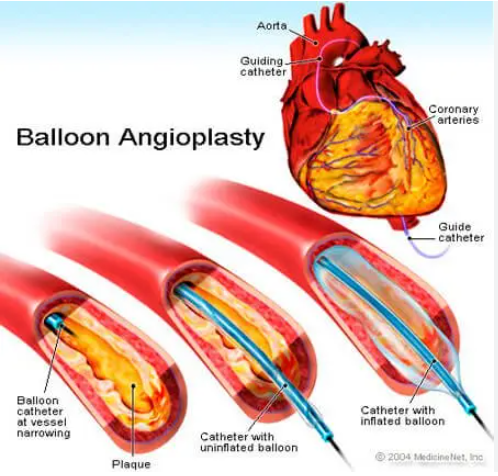
Angioplasty is a minimally invasive treatment performed through blood vessels, usually from the wrist or groin. The narrowed artery is widened to improve blood flow to the heart. In some cases, a stent is also placed to help keep the artery open.
The procedure is performed under continuous monitoring in a controlled medical environment for at least 24hr.
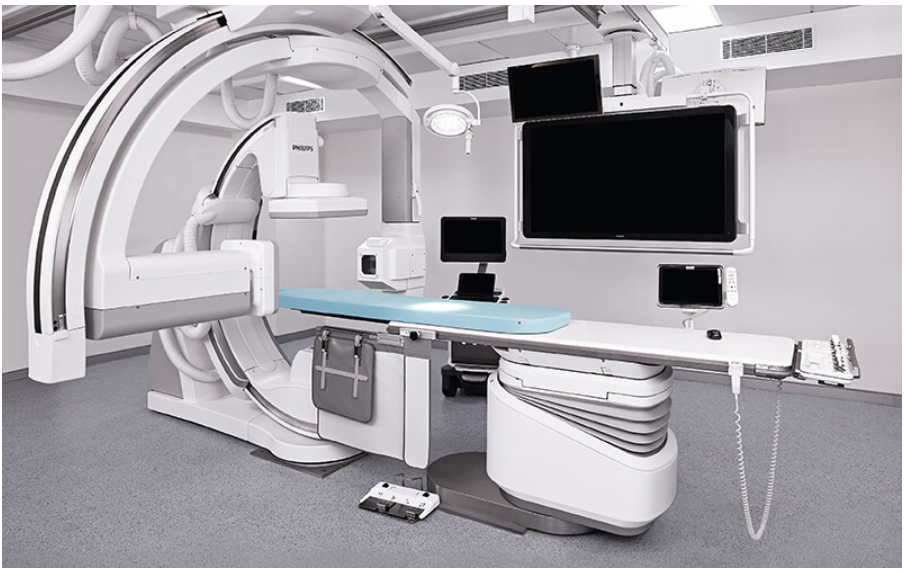
Angioplasty and angiography are performed in a specialized unit called a cardiac catheterization laboratory, commonly known as a Cath Lab.
The Cath Lab allows cardiologists to visualize heart arteries in real time and make accurate treatment decisions. This technology supports safe diagnosis, precise intervention, and careful monitoring throughout the procedure.
At Trinity Hospital and Heart Foundation, Cath Lab facilities support comprehensive cardiac evaluation and interventional care.
Coronary angioplasty is performed when arteries supplying blood to the heart muscle are narrowed or blocked.
Some patients may have blockages in more than one artery. In such cases, double angioplasty may be discussed based on angiography findings and overall heart condition.
If symptoms persist or blockages recur, further evaluation is required. Treatment planning is always individualized and based on updated medical findings.
Patients commonly ask how long angioplasty lasts and what recovery involves.
Most patients recover gradually and notice improvement in symptoms. Long-term results depend on continued medication, lifestyle changes, and regular follow-ups. Angioplasty does not replace the need for ongoing heart care.
Patients are advised on activity levels, medications, and warning signs to watch for after discharge.

After angioplasty, patients usually continue heart medications and attend regular follow-ups. Managing risk factors such as blood pressure, cholesterol, diabetes, and lifestyle habits becomes essential to prevent future problems.
The cardiologist explains the next steps clearly so patients and families know what to expect.
The Cardiology Department at Trinity Hospital and Heart Foundation provides comprehensive evaluation and treatment planning for heart-related conditions. Care is delivered through structured diagnostics, evidence-based decision-making, and patient education.
Trinity Hospital and Heart Foundation, Bangalore
Dr. B. G. Muralidhara is associated with the cardiology services at Trinity Hospital and Heart Foundation. He has extensive clinical experience of 30+ years in managing heart conditions and has been involved in the evaluation and treatment of a large number of patients with coronary artery disease.

Common questions and detailed answers about angioplasty procedures and recovery
Angioplasty is a minimally invasive procedure used to open narrowed heart arteries and improve blood flow.
Most patients experience minimal discomfort, which is managed with medication.
In selected cases, angioplasty may be performed without placing a stent.
The procedure itself is usually short, but monitoring may be required afterward.
Both treatments serve different purposes. The choice depends on artery condition and patient health.
Angioplasty improves blood flow but long-term prevention depends on medication, lifestyle changes, and regular follow-up.
Most patients return to routine activities gradually, as advised by their cardiologist.
No. Many blockages can be managed with medication and monitoring based on severity and symptoms.
No. Angioplasty is usually done under local anesthesia with the patient awake.
Yes. Blockages can recur, which is why ongoing medication and lifestyle care are important.
Don't wait for symptoms to worsen. Schedule a consultation with our expert cardiology team to discuss your treatment options and take control of your cardiovascular health.
+91 8040136999
trinityheartfoundation@gmail.com
Trinity Hospital and Heart Foundation, Basavanagudi, Bengaluru, Karnataka
 24 Hour Emergency Aid