

Block in heart artery is one of the most common causes of chest pain, breathlessness, and heart attacks.
At Trinity Hospital, Basavangudi, coronary angiography and coronary angioplasty with stenting help doctors accurately assess and manage blockage in the heart using a structured, patient-safe approach.
This treatment is considered when symptoms, test results, or emergency situations indicate reduced blood flow to the heart. Importantly, heart blockage treatment without operation is always explored first whenever medically appropriate.
Patients from Basavangudi, Jayanagar, JP Nagar, VV Puram, Banashankari, and NR Colony frequently visit for cardiac evaluation.
Coronary angiography is a diagnostic test used to identify blockage in the heart arteries that supply oxygen-rich blood to the heart muscle.
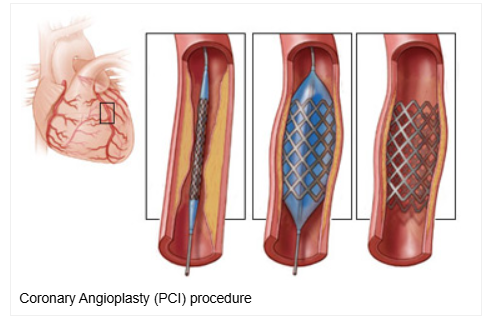
If a significant blockage is detected and medicines alone are insufficient, coronary angioplasty with stenting may be advised. A stent operation helps keep the narrowed artery open and restores proper blood flow.
The intent is heart protection, symptom control, and prevention of heart attack, not unnecessary surgery.
Symptoms of heart blockage can differ from person to person and may develop gradually or suddenly. Common warning signs include:
Chest pain or heaviness
Shortness of breath
Pain spreading to arm, jaw, neck, or back
Sweating, nausea, or dizziness
Extreme fatigue with mild activity
These symptoms of heart attack do not automatically mean surgery. Proper evaluation by a cardiologist is essential.
Sudden chest pain or breathing difficulty needs immediate attention.
It is important to remember that symptoms alone do not confirm the need for stenting. Proper diagnosis is essential.
You should consult a cardiologist if you experience chest pain, breathlessness, symptoms of heart attack, or if you have known risk factors for heart disease.
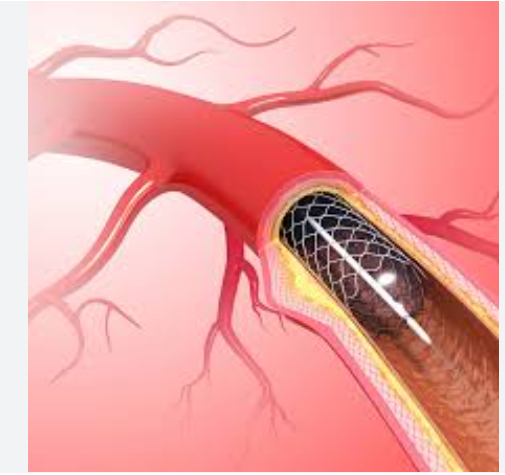
Heart blockage occurs when coronary arteries become narrowed due to plaque buildup. Understanding the causes helps in prevention and treatment decisions.
High cholesterol and fatty deposits
High blood pressure and diabetes
Smoking and obesity
Family history and sedentary lifestyle
Early detection through angiography and timely intervention can prevent serious complications and improve heart health.
Treatment decisions are based on angiography findings, risk factors, overall health, heart muscle function, patient safety and long-term outcome.
In many patients, heart blockage treatment without operation is possible, especially in early or stable conditions.
This approach may include:
Patients often ask, "can heart blockage be cured without surgery?" The answer depends on blockage severity and heart function.
When symptoms persist or diagnostic tests show significant narrowing, interventional treatment may be recommended.
Decisions are based on:
Emergency intervention is reserved for acute heart attack cases.
At Trinity Hospital, coronary angiography guides accurate treatment planning.
When angioplasty with stenting is required:
The procedure is performed through a small catheter inserted into a blood vessel, usually from the wrist or groin. A balloon is inflated to widen the artery, and a stent (small mesh tube) is placed to keep it open.
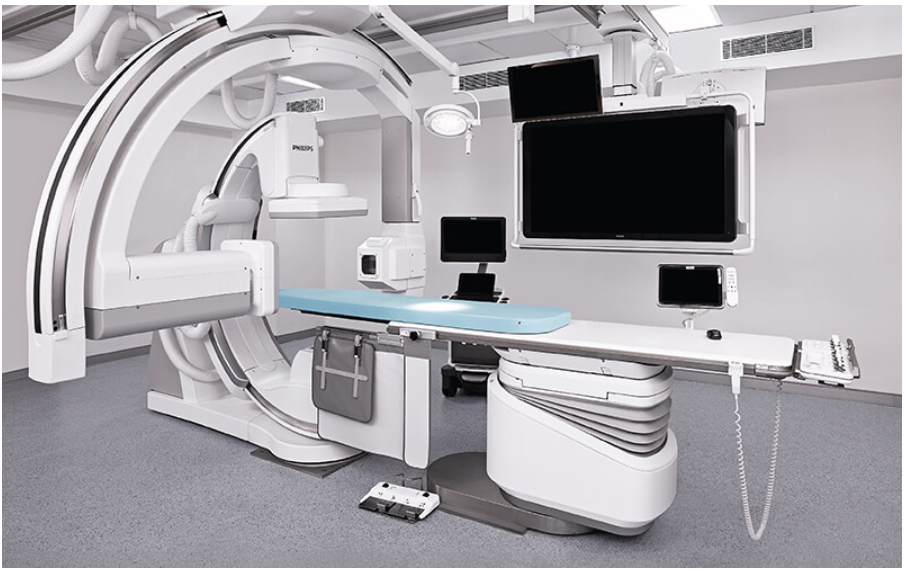
Coronary angiography and angioplasty procedures are performed in a specialized cardiac catheterization laboratory (Cath Lab).
The Cath Lab allows cardiologists to:
At Trinity Hospital and Heart Foundation, Cath Lab facilities support both diagnostic and interventional cardiac care with advanced imaging technology.
At Trinity Hospital, coronary angiography guides accurate treatment planning. When angioplasty with stenting is required, it is minimally invasive, focuses on precision and controlled care, and allows faster recovery compared to open surgery. Strict protocols ensure safety before, during, and after the procedure.
In selected cases, balloon angioplasty may be performed without placing a permanent stent. This is determined based on the specific characteristics of the blockage and patient factors.
For complex or multi-vessel disease where angioplasty may not be suitable, cardiac surgery (bypass surgery) may be recommended. The choice of method depends entirely on medical need.
Most patients recover well after coronary angioplasty and stenting.
Recovery typically includes:
Patients are provided clear instructions on activity levels, medications, and warning signs to watch for after discharge.

After coronary angioplasty and stenting, patients receive comprehensive post-procedure care and guidance.
Follow-up care includes:
The cardiologist works with patients to ensure they understand their treatment plan and feel confident about their cardiac care journey.
Dr. B. G. Muralidhara is associated with the cardiology services at Trinity Hospital and Heart Foundation. His clinical work includes diagnostic angiography and angioplasty procedures, along with long-term cardiac care planning.
Trinity Hospital and Heart Foundation, Bangalore
Dr. B. G. Muralidhara has extensive clinical experience of 30+ years in managing heart conditions and has been involved in the evaluation and treatment of a large number of patients with coronary artery disease.
Patients often consult him for clear explanations, second opinions, and guidance on whether angioplasty is necessary or if medical management is sufficient.

The cardiology department treats blockage in heart artery, heart attack conditions, chest pain and rhythm disorders, and provides preventive and long-term cardiac care. Care is coordinated across diagnostics, emergency services, and follow-up care.
Trinity Hospital and Heart Foundation, Bangalore
Cardiology Department: Comprehensive diagnostic evaluation, medical management, and interventional procedures including angiography and angioplasty.
Cardiac Surgery Department: Advanced surgical interventions for complex heart conditions when required.
Our integrated approach ensures patients receive coordinated care across all cardiac specialties under one roof.
Common questions and detailed answers about coronary angioplasty and stenting procedures
It identifies blockage in the heart arteries.
No, many patients are treated with medicines alone.
Yes, in selected cases with medicines and lifestyle care.
Chest pain, breathlessness, sweating, arm or jaw pain.
It is generally safe when done after proper evaluation.
Most patients resume routine activities within days.
Some may be long-term depending on heart condition.
It is usually well tolerated with local anesthesia.
They can slow progression but may not remove plaques.
Sudden chest pain or breathing difficulty needs attention.
If you're experiencing heart symptoms or have concerns about heart blockage, consult with our experienced cardiology team at Trinity Hospital, Basavangudi Bengaluru.
+91 8040136999
trinityheartfoundation@gmail.com
Trinity Hospital and Heart Foundation, Basavangudi, Bengaluru, Karnataka
 24 Hour Emergency Aid