

Coronary artery bypass grafting is a well-established heart surgery used to improve blood flow when heart arteries are severely blocked.
At Trinity Hospital, Basavangudi, CABG is considered only when other treatments are not enough to control symptoms or protect heart function.
Patients commonly seek advice due to chest pain, breathlessness, or repeated heart issues. The focus is always on understanding the condition first, then deciding the safest treatment path.
Patients from Basavangudi, Jayanagar, JP Nagar, VV Puram, Banashankari, and NR Colony frequently consult for cardiac evaluation.
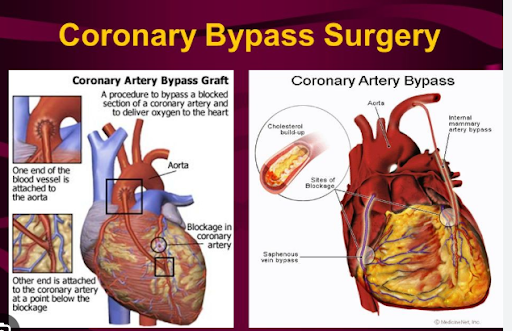
Coronary heart bypass operation is a surgical treatment used when blood flow to the heart muscle is significantly reduced due to multiple or severe artery blockages.
The procedure creates a new pathway for blood to reach the heart, helping reduce symptoms and protect the heart muscle.
It is not advised for everyone with heart disease and is recommended only after detailed evaluation.
The purpose is symptom relief, improved circulation, and long-term heart support.
Symptoms differ from person to person and may worsen gradually or appear suddenly. Common signs include:
Persistent chest pain
Shortness of breath symptoms
Fatigue during routine activities
History of heart attack
Known heart with blockage on tests
These symptoms do not automatically mean bypass surgery is required. A cardiologist's assessment is essential.
Professional cardiac evaluation is necessary for proper diagnosis and treatment planning.
It is important to remember that symptoms alone do not confirm the need for bypass surgery. Proper diagnosis is essential.
You should consult a cardiologist if you experience persistent chest pain, shortness of breath, have a history of heart attack, or if test results show heart blockage.
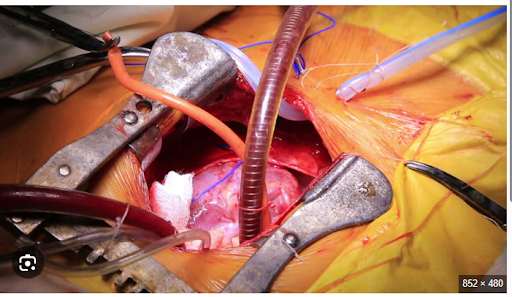
Coronary artery bypass grafting creates new pathways for blood flow when arteries are severely blocked. This improves oxygen delivery to the heart muscle.
Multiple artery blockages requiring intervention
Complex blockages not suitable for stenting
Severe coronary artery disease affecting heart function
Cases where long-term blood flow improvement is required
Care at Trinity Hospital focuses on structured evaluation, safety protocols, and post-surgery recovery planning.
Surgery or intervention is considered when symptoms persist despite medication, blood flow to the heart is significantly reduced, or there is risk to heart muscle function.
Many patients can be managed without surgery, especially in early or stable stages.
This approach may include:
Medicines may also help manage symptoms like breathlessness, but shortness of breath medicine alone may not correct severe blockages.
Surgery or intervention is considered when:
The treatment method is chosen based on heart condition, not routine practice.
Coronary Artery Bypass Surgery (CABG) creates a new route for blood to flow around blocked arteries.
The procedure involves:
CABG is preferred in selected cases where multiple arteries are blocked, blockages are complex, or long-term blood flow improvement is required.
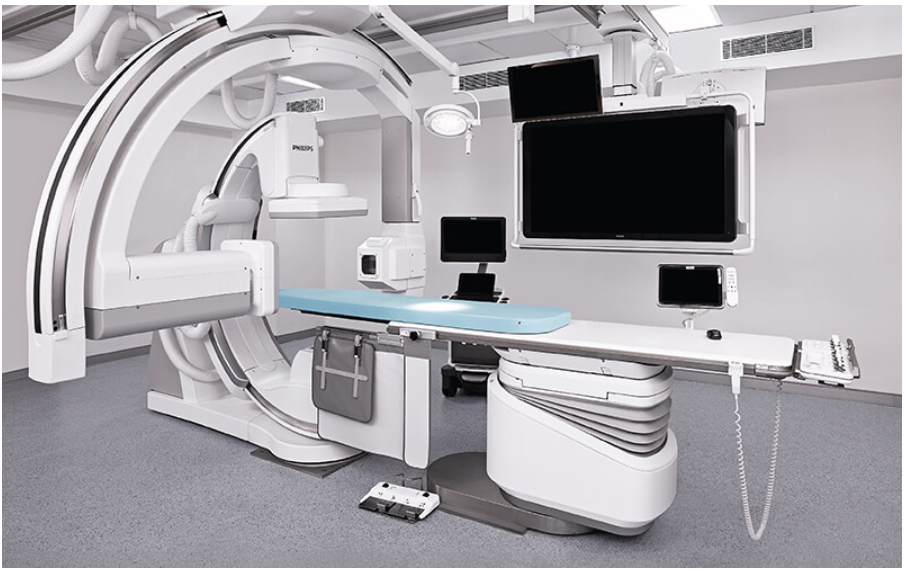
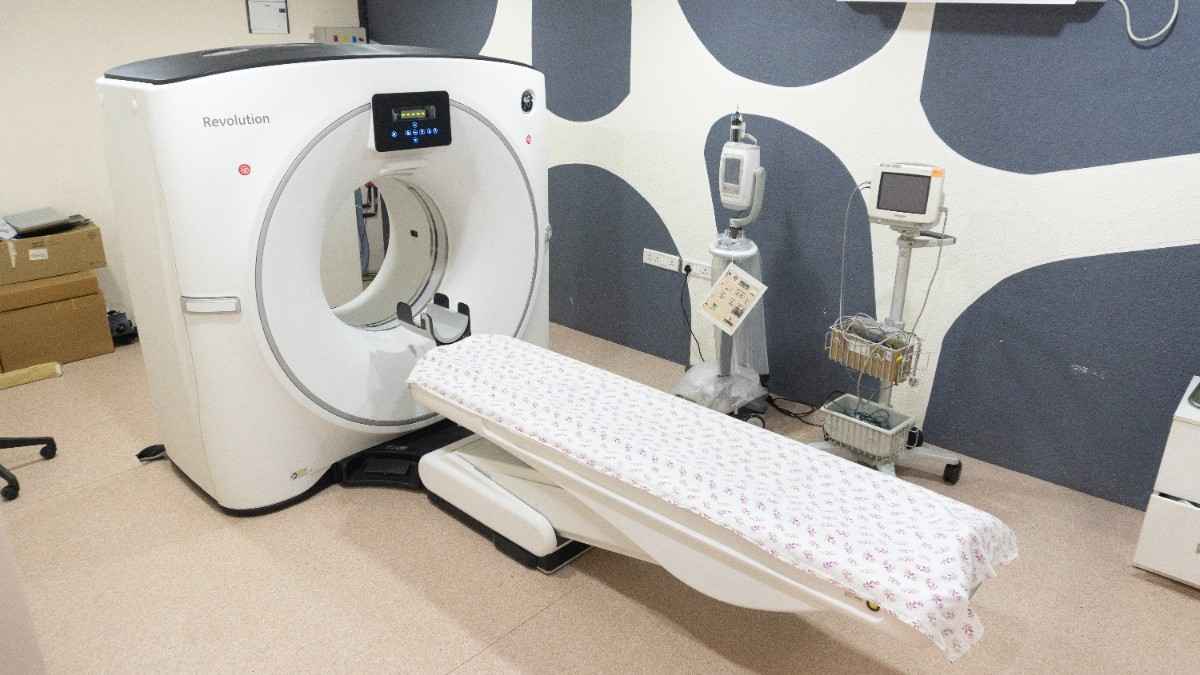
CABG surgery is performed in a specialized cardiac surgery operating room with advanced life support systems.
The surgical facility includes:
At Trinity Hospital and Heart Foundation, comprehensive pre-operative evaluation, surgical care, and post-operative management ensure patient safety and optimal outcomes.
CABG is preferred in selected cases where multiple arteries are blocked, blockages are complex, or long-term blood flow improvement is required. Care at Trinity Hospital focuses on structured evaluation, safety protocols, and post-surgery recovery planning.
In some cases, angioplasty with stenting may be an alternative to bypass surgery, particularly for patients with limited blockages in favorable locations. The choice depends on artery involvement and overall cardiac condition.
In stable cases where surgery can be deferred, advanced medical therapy with comprehensive medication management, lifestyle modification, and close monitoring may be the appropriate initial approach.
CABG: Open-heart surgical procedure | Angioplasty: Minimally invasive catheter-based procedure
CABG: Creates new route for blood flow, best for multiple or complex blockages | Angioplasty: Opens narrowed arteries using balloon and stent, usually for one or limited blockages
CABG: Longer stay (typically 5-7 days), recovery takes several weeks | Angioplasty: Shorter stay (1-2 days), recovery usually a few days to a week
CABG: Often provides longer-lasting relief, higher risk but acceptable when indicated | Angioplasty: May need repeat procedures in some patients, lower risk compared to surgery
CABG: Often required during surgery | Angioplasty: Not required
CABG: Selected patients after detailed evaluation, preferred in severe coronary artery disease | Angioplasty: Chosen when anatomy is favorable, suitable for mild to moderate disease
Recovery from CABG surgery is gradual and requires patience and adherence to medical guidance.
Recovery typically includes:
Patients receive detailed instructions on medications, activity restrictions, wound care, and warning signs to watch for during recovery.

After CABG surgery, comprehensive follow-up care is essential for optimal recovery and long-term heart health.
Post-surgery care includes:
The medical team works closely with patients to ensure they understand their recovery plan and feel supported throughout the healing process.
Dr. B. G. Muralidhara is associated with the cardiology services at Trinity Hospital and Heart Foundation. His clinical work includes diagnostic angiography and comprehensive cardiac evaluation to determine the most appropriate treatment approach.
Trinity Hospital and Heart Foundation, Bangalore
Dr. B. G. Muralidhara has extensive clinical experience of 30+ years in managing heart conditions and has been involved in the evaluation and treatment of a large number of patients with coronary artery disease.
Patients often consult him for clear explanations, second opinions, and guidance on whether bypass surgery, angioplasty, or medical management is the most appropriate treatment approach.

The departments manage coronary artery disease, heart attack care, heart blockages, and surgical and non-surgical heart treatments. Care is coordinated across diagnostics, emergency services, surgery, and follow-up.
Trinity Hospital and Heart Foundation, Bangalore
Cardiology Department: Comprehensive diagnostic evaluation, medical management, angiography, and interventional procedures.
Cardiac Surgery Department: Advanced surgical interventions including CABG and other cardiac surgical procedures.
Our integrated approach ensures patients receive coordinated care from initial evaluation through surgery and long-term follow-up.
Common questions and detailed answers about coronary artery bypass grafting
A surgery that improves blood flow to the heart by bypassing blocked arteries.
When severe blockages affect heart function or symptoms persist despite treatment.
No, medicines and angioplasty are considered before surgery.
No, CABG is an open-heart surgical procedure.
Recovery varies but usually takes several weeks.
Yes, if breathlessness is caused by poor heart blood flow.
It is generally safe when performed after proper evaluation.
Yes, medicines are usually continued for heart protection.
In some cases, yes. It depends on artery involvement.
If tests show severe blockages or symptoms worsen.
If you're experiencing heart symptoms or have been advised to consider bypass surgery, consult with our experienced cardiac team at Trinity Hospital, Basavangudi Bengaluru.
+91 8040136999
trinityheartfoundation@gmail.com
Trinity Hospital and Heart Foundation, Basavangudi, Bengaluru, Karnataka
 24 Hour Emergency Aid