

Being told that you or your child has a "hole in the heart" can feel overwhelming. For many families, the first concern is whether surgery is unavoidable and what the long-term impact will be.
Device closure is a well-established heart treatment designed to close certain types of heart defects without open-heart surgery, when medically appropriate. At Trinity Hospital and Heart Foundation, Basavangudi, this treatment is offered under the guidance of Dr. B.G. Muralidhara, with a focus on safety, careful patient selection, and clear communication at every stage.
The goal of treatment is simple: to improve heart function, reduce symptoms, and prevent future complications—while choosing the least invasive option suitable for the patient.
Patients from Basavangudi, Jayanagar, JP Nagar, VV Puram, Banashankari, and NR Colony frequently consult for cardiac evaluation.
Device closure is a minimally invasive heart procedure used to close abnormal openings between heart chambers or blood vessels. These openings may include:
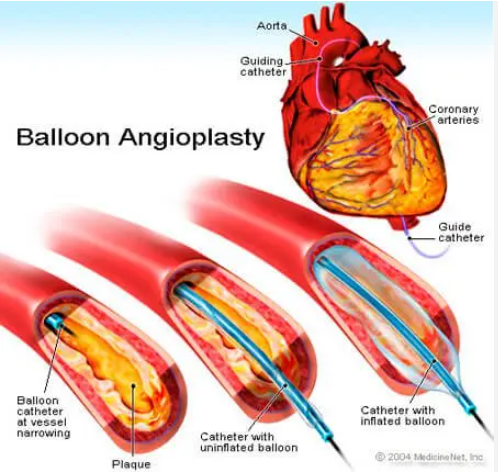
Instead of opening the chest, doctors use a specially designed closure device that is guided to the heart through blood vessels. The device is positioned to seal the defect, allowing the heart to function more efficiently over time.
Not every patient with a hole in the heart requires device closure. The decision depends on the size, location, symptoms, and overall heart health, which is why detailed evaluation is essential.
Heart defects can present differently from person to person. Some patients have noticeable symptoms, while others are diagnosed incidentally during routine tests. Common symptoms may include:
Shortness of breath during activity or at rest
Recurrent chest infections, especially in children
Easy fatigue or reduced exercise tolerance
Poor weight gain in infants
Palpitations or irregular heartbeat
Swelling of legs or abdomen in advanced cases
These symptoms can occur due to many heart and non-heart conditions. They should not be used for self-diagnosis.
A cardiologist's evaluation is always required to determine the cause and the need for treatment.
It is important to remember that symptoms alone do not confirm the need for device closure. Detailed cardiac evaluation and imaging is essential.
Consult a cardiologist if you or your child has been diagnosed with ASD, VSD, or PDA, or if you are experiencing breathlessness, recurrent infections, or fatigue that may be related to a heart defect.
Heart defects vary in type, size, and clinical significance. Understanding the difference helps families make informed decisions.
ASD (Atrial Septal Defect) — opening between upper chambers allowing blood to mix
VSD (Ventricular Septal Defect) — opening between lower chambers affecting pressure
PDA (Patent Ductus Arteriosus) — abnormal vessel connection between aorta and pulmonary artery
Congenital origin — present from birth, detected at any age from infancy to adulthood
Not every defect requires immediate intervention. Size, location, symptoms, and heart function all determine whether monitoring, device closure, or surgical repair is most appropriate.
Management of a hole in the heart is not the same for every patient. Treatment is individualised and may include careful monitoring before considering any intervention.
In selected cases, especially when the defect is small or symptoms are mild, doctors may recommend:
This approach focuses on safety and avoids unnecessary procedures, while ensuring the heart is not under long-term strain. Some small defects close on their own, particularly in young children.
When the defect is significant or causing symptoms, interventional treatment may be advised:
The choice is based on clinical findings—not urgency or promotion—and is explained in detail during consultation.
At Trinity Hospital and Heart Foundation, device closure is considered for patients who meet specific anatomical and clinical criteria.
The procedure:
Why device closure is preferred in suitable cases:
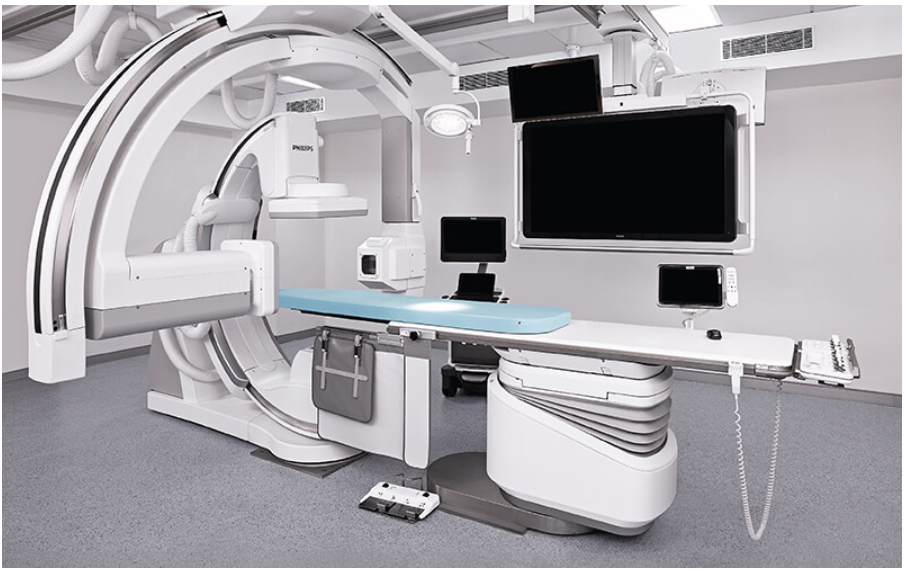
Device closure procedures are performed in a specialised cardiac catheterisation environment with advanced imaging for precise device placement.
Facility includes:
EMI Options & Mediclaim Support:
Patients are encouraged to share insurance details early to ensure smooth processing.
Minimally invasive closure of heart defects using a specially designed septal occluder device guided through blood vessels. Avoids open-heart surgery, suitable for specific defect types and sizes confirmed by imaging. Device stays permanently and heart tissue grows over it.
For complex or large defects where device closure is not anatomically or clinically suitable. Performed under cardiac surgical conditions with full post-operative care. Recommended when the safest option for the patient requires direct surgical repair.
In select paediatric or high-risk cases, a combination of catheter-based and surgical techniques may be used. Method selection depends on defect type, patient age, heart anatomy, and overall health.
For small defects with minimal symptoms, especially in young children where spontaneous closure is possible. Regular cardiac imaging and follow-up to assess whether the defect changes over time, deferring intervention until clinically necessary.
Recovery after device closure is typically faster than open-heart surgery due to the minimally invasive nature of the procedure.
Immediate recovery:
Long-term follow-up:

If you or your family member has been diagnosed with a heart defect or advised further evaluation, a consultation with Dr. B.G. Muralidhara at Trinity Hospital and Heart Foundation, Basavangudi can help clarify:
The focus remains on:
Financial counselling is offered before any treatment decision. Insurance support, EMI options, and payment planning are all discussed transparently so families can plan with confidence.
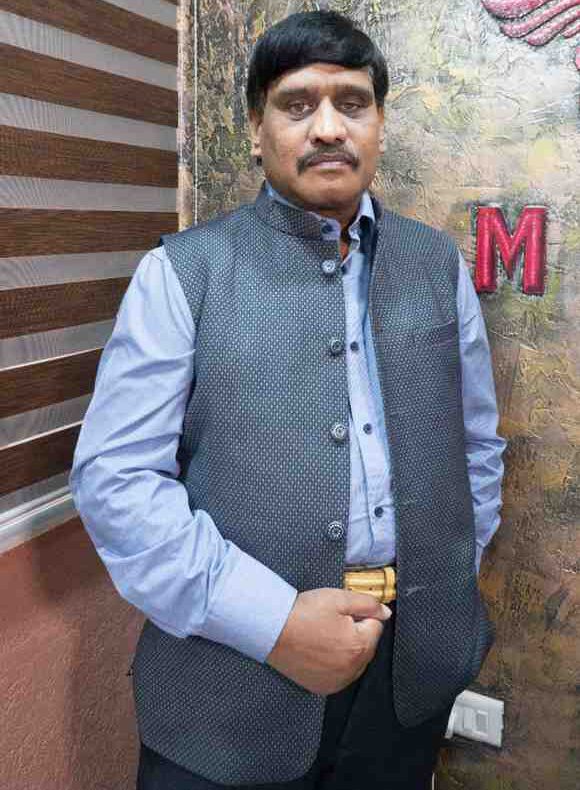
Dr. B. G. Muralidhara evaluates patients of all ages with congenital and structural heart defects to determine whether device closure, surgical repair, or monitored observation is the most appropriate and safe treatment path.
Trinity Hospital and Heart Foundation, Bangalore
Dr. B. G. Muralidhara has extensive clinical experience of 30+ years in managing heart conditions including structural heart defects in adults and children.
His clinical work includes device closure evaluation for ASD, VSD, and PDA, along with long-term cardiac care planning. Patients and families often consult him for clear explanations, second opinions, and guidance on whether device closure is necessary or if monitoring is sufficient.
Common questions and detailed answers about hole in heart treatment, ASD, VSD, and PDA device closure
No. Device closure is a minimally invasive procedure and does not involve opening the chest. It is guided through blood vessels using a catheter.
No. Only specific types and sizes of defects are suitable for device closure. Detailed imaging and evaluation is necessary to confirm suitability.
Yes. It can be performed in both children and adults when medically indicated and when the defect meets required anatomical criteria.
Most patients resume normal activities within a short period, depending on individual recovery and doctor advice. Hospital stay is typically short.
Yes. The device stays in place and over time becomes integrated into the heart structure as tissue grows over it.
Discomfort is usually minimal and managed with medication during and after the procedure.
Yes. Follow-up visits help ensure proper healing, confirm complete closure, and monitor overall heart function.
All medical procedures carry some risk, which is explained clearly before treatment during consultation. Serious complications are uncommon in appropriately selected patients.
This is uncommon when patient selection and procedure planning are appropriate. Follow-up imaging confirms closure over time.
Only a cardiologist can determine timing based on symptoms, heart function, defect size, and test results. A consultation provides clarity without pressure.
If you or your family member has been diagnosed with a hole in the heart or advised further evaluation, consult with Dr. B.G. Muralidhara at Trinity Hospital and Heart Foundation, Basavangudi Bengaluru for clear, patient-centred guidance.
+91 8040136999
trinityheartfoundation@gmail.com
Trinity Hospital and Heart Foundation, Basavangudi, Bengaluru, Karnataka
 24 Hour Emergency Aid