

An ECG (Electrocardiogram) is one of the most commonly advised heart tests and often the first step in understanding how the heart is functioning. At Trinity Hospital and Heart Foundation, Basavangudi, ECG testing is used to quickly and safely assess heart rhythm, heart rate, and electrical activity.
Patients are usually advised an ECG when they experience symptoms like chest discomfort, palpitations, dizziness, or unexplained fatigue. The test is non-invasive, painless, and takes only a few minutes, making it suitable for people of all ages.
Under the guidance of Dr. B.G. Muralidhara, ECG results are interpreted in the context of the patient's symptoms, medical history, and overall heart health—rather than in isolation.
Patients from Basavangudi, Jayanagar, JP Nagar, VV Puram, Banashankari, and NR Colony frequently consult for cardiac evaluation.
An ECG records the electrical signals that control the heartbeat. Every time the heart beats, electrical impulses travel through the heart muscle, and the ECG captures these signals as wave patterns.
The purpose of an ECG is to help doctors understand:
An ECG does not treat a condition by itself—it helps guide further evaluation and care decisions. Many patients with normal ECG values may still need additional tests, while some ECG changes may be harmless variations.
Patients are encouraged to discuss results directly with their doctor rather than relying on online ECG charts or self-interpretation.
A doctor may recommend an ECG if a patient experiences:
Chest pain or chest tightness
Shortness of breath
Palpitations or a racing heartbeat
Dizziness or fainting episodes
Unexplained fatigue or anxiety-related symptoms where heart involvement needs to be ruled out
Screening before surgery or as part of routine heart check-ups
Symptoms can vary widely between individuals. In some cases, people with panic attacks may have a normal ECG, while others may show subtle changes.
Always consult a doctor rather than relying on self-interpretation of ECG results.
It is important to remember that an ECG alone does not provide a complete diagnosis. Clinical evaluation alongside results is essential.
You should consult a cardiologist if symptoms persist despite a normal ECG, if ECG shows abnormal findings, or if you have risk factors like diabetes, high blood pressure, or a family history of heart disease.
ECG results are shown as waveforms representing different phases of the heartbeat. Doctors assess multiple components.
Types of ECG waves and their intervals (P, Q, R, S, T)
PR segment changes indicating conduction patterns
Normal ECG values using standard charts for age and gender
Whether findings explain the patient's symptoms clinically
Conditions like <strong>left atrial enlargement on ECG</strong> or electrolyte-related changes such as <strong>ECG changes with hypercalcemia</strong> require clinical context for accurate interpretation.
An ECG is a diagnostic tool. The solution depends on what the ECG shows and how the patient feels clinically.
If ECG findings suggest mild rhythm variations or non-critical changes:
Many conditions detected early through ECG can be managed without any procedures. The emphasis is on understanding the finding and managing risk factors appropriately.
If the ECG indicates significant abnormalities—such as persistent rhythm disorders, chamber enlargement, or ischemic changes—further tests may be advised:
Interventions are considered only after correlating ECG findings with symptoms, imaging, and blood tests. Decisions are made step by step—not urgently or automatically.
An ECG is performed by placing small electrodes on the chest, arms, and legs. These electrodes record heart signals while the patient lies still.
Step-by-step process:
At Trinity Hospital, the ECG assessment includes:
The ECG test price at Trinity Hospital and Heart Foundation is kept transparent and affordable. Costs may vary depending on:
For patients searching for an ECG centre near me in Basavangudi, Bangalore, Trinity Hospital and Heart Foundation offers:
Appointments for ECG testing and cardiac consultations are available with a focus on accurate diagnosis, patient understanding, and ethical care.
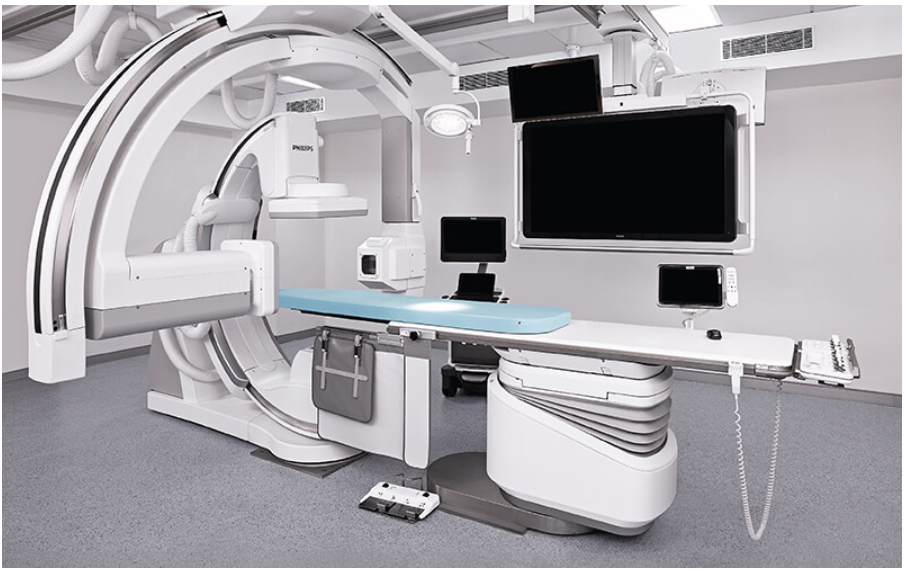
The primary ECG test recording electrical activity from 12 different angles of the heart. Includes chest lead ECG recordings and full rhythm assessment. Suitable for most patients presenting with cardiac symptoms.
A portable ECG device worn for 24–48 hours to capture intermittent rhythm abnormalities not detected in a standard short-duration ECG. Useful when symptoms occur occasionally or unpredictably.
An ECG performed while the patient exercises on a treadmill or stationary bike to assess how the heart responds under physical stress. Helps detect exercise-induced rhythm problems or blood flow issues.
An ultrasound-based imaging test used when ECG findings suggest structural changes such as left atrial enlargement or chamber abnormalities. Provides detailed information on heart structure and function.
After an ECG, the cardiologist will review the results in context of your symptoms and medical history.
Depending on findings, next steps may include:
Many conditions detected early through ECG can be managed effectively with medication and lifestyle changes, avoiding the need for procedures altogether.

If you have been advised an ECG or are experiencing concerning symptoms, a consultation-based evaluation can help clarify what the test means for you.
You should book an ECG evaluation if:
Appointments for ECG testing and cardiac consultations are available at Trinity Hospital and Heart Foundation, Basavangudi, Bangalore, with a focus on accurate diagnosis, patient understanding, and ethical care.
At Trinity Hospital and Heart Foundation, ECG evaluation is part of a structured cardiac assessment process, with results interpreted by Dr. B. G. Muralidhara in the context of each patient's symptoms and medical history.
Trinity Hospital and Heart Foundation, Bangalore
Dr. B. G. Muralidhara has extensive clinical experience of 30+ years in managing heart conditions and has been involved in the evaluation and treatment of a large number of patients with coronary artery disease.
His clinical work includes diagnostic angiography, angioplasty procedures, ECG interpretation, and long-term cardiac care planning. Patients often consult him for clear explanations, second opinions, and guidance on what their ECG results mean for their heart health.

Common questions and detailed answers about ECG testing and cardiac evaluation
The purpose of an ECG is to record the electrical activity of the heart. It helps doctors assess heart rhythm, heart rate, and detect signs of stress, enlargement, or rhythm disturbances. An ECG supports diagnosis but is always interpreted along with symptoms and clinical findings.
An ECG is performed by placing small electrodes on the chest, arms, and legs. These electrodes record heart signals while the patient lies still. The test is painless, does not involve needles, and usually takes about 5–10 minutes to complete.
Normal ECG values follow standard ranges shown in ECG charts, including heart rate and wave intervals. However, normal can vary with age, gender, and medical history. A doctor's interpretation is essential rather than relying only on charts.
Yes. ECG readings in women can show subtle differences compared to men, especially in wave patterns and intervals. Doctors consider these variations while interpreting ECG results to avoid misdiagnosis.
An ECG can help identify heart-related causes of chest pain. In many panic attacks, the ECG may appear normal. However, ECG findings are always assessed along with symptoms and further tests when needed.
The PR segment reflects electrical conduction between heart chambers. Changes in this segment may suggest conduction delays or other conditions, which require clinical correlation rather than isolated interpretation.
Chest lead ECGs help evaluate heart muscle activity, chamber enlargement, and blood flow-related changes. They are important in identifying conditions like ischemia or structural heart changes.
An ECG may show patterns suggesting left atrial enlargement, but confirmation often requires additional imaging such as an echocardiogram. ECG findings act as an initial indicator.
Yes. Electrolyte changes, including high calcium levels (hypercalcemia), can alter ECG waveforms. Doctors consider blood test results alongside ECG findings for accurate diagnosis.
The ECG test price varies depending on the type of ECG required and whether additional monitoring is advised. At Trinity Hospital and Heart Foundation, Basavangudi, pricing is kept transparent, and details are shared before testing.
Experiencing chest discomfort, palpitations, or dizziness? Schedule your ECG and cardiac consultation at Trinity Hospital and Heart Foundation, Basavangudi Bengaluru for expert evaluation and clear answers.
+91 8040136999
trinityheartfoundation@gmail.com
Trinity Hospital and Heart Foundation, Basavangudi, Bengaluru, Karnataka
 24 Hour Emergency Aid