

Heart rhythm problems can be confusing and unsettling—especially when symptoms like palpitations, dizziness, shortness of breath, or unexplained fatigue appear without warning. If you are looking for Afib treatment, SVT treatment, or an experienced heart rhythm doctor in Bangalore, expert electrophysiology care can help identify the cause and provide effective solutions.
At Trinity Hospital, Basavangudi, Bangalore, electrophysiology care under Dr. B. G. Muralidhara focuses on clarity, careful evaluation, and individualized treatment planning. The goal is not to rush into procedures, but to first understand the heart's electrical signals and guide patients toward the most appropriate solution.
Patients from Jayanagar, JP Nagar, VV Puram, Banashankari, and NR Colony frequently visit for cardiac rhythm evaluation.
Cardiac electrophysiology deals with the electrical system of the heart—the signals that control heart rate and rhythm. When these signals become irregular, the heart may beat too fast, too slow, or unevenly.
What to Expect During an Electrophysiology Study (EPS):
What to Expect After the EPS Test:
This treatment is diagnostic-first and decision-focused—not every patient undergoing evaluation will need a procedure.
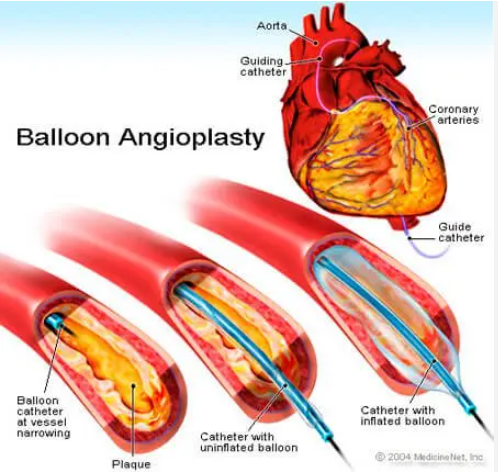
Patients may be referred for electrophysiology evaluation if they experience:
Recurrent or unexplained heart palpitations
Episodes of rapid or irregular heartbeat
Dizziness or lightheadedness
Fainting or near-fainting spells
Shortness of breath without clear cause
Fatigue related to heart rhythm changes
Symptoms vary widely between individuals. Some arrhythmias are harmless, while others require closer assessment.
A cardiologist's evaluation is essential for proper diagnosis.
It is important to remember that symptoms alone do not confirm the need for electrophysiology procedures. Proper diagnosis is essential.
If you are experiencing persistent palpitations, are unsure how to stop heart palpitations, or have been referred for an EP study procedure, early consultation helps clarify risks and options.
Heart rhythm disorders (arrhythmias) occur when the electrical signals controlling heartbeat become irregular.
Abnormal electrical pathways in the heart
Atrial fibrillation (Afib) or supraventricular tachycardia (SVT)
Structural heart changes or congenital conditions
Triggers like stress, caffeine, or underlying disease
Electrophysiology study helps identify the specific type and source of rhythm disturbance, guiding appropriate treatment decisions.
Electrophysiology care follows a step-wise, patient-specific approach, starting with the least invasive options.
Many heart rhythm conditions can be managed without procedures. This may include:
Patients often ask questions such as "Will arrhythmia go away?" or "Can arrhythmias be cured?" The answer depends on the type, cause, and individual heart health. Some arrhythmias resolve or remain well-controlled with medication and monitoring alone.
When symptoms persist, medications are ineffective, or the rhythm disturbance poses risk, interventional treatment may be considered.
This decision is based on:
Interventions aim to correct abnormal electrical pathways while preserving normal heart function. The decision is based on evidence and need—not urgency or fear.
At Trinity Hospital, interventional electrophysiology is planned using evidence-based protocols and precise mapping techniques.
The EPS procedure:
When intervention is indicated:
This approach supports safer recovery and long-term rhythm stability in appropriately selected patients.
Electrophysiology studies and interventions are performed in a specialized EP laboratory equipped with advanced cardiac mapping and monitoring systems.
The facility includes:
At Trinity Hospital and Heart Foundation, electrophysiology procedures are performed by experienced cardiologists with comprehensive pre-procedure evaluation and post-procedure care to ensure patient safety and optimal outcomes.
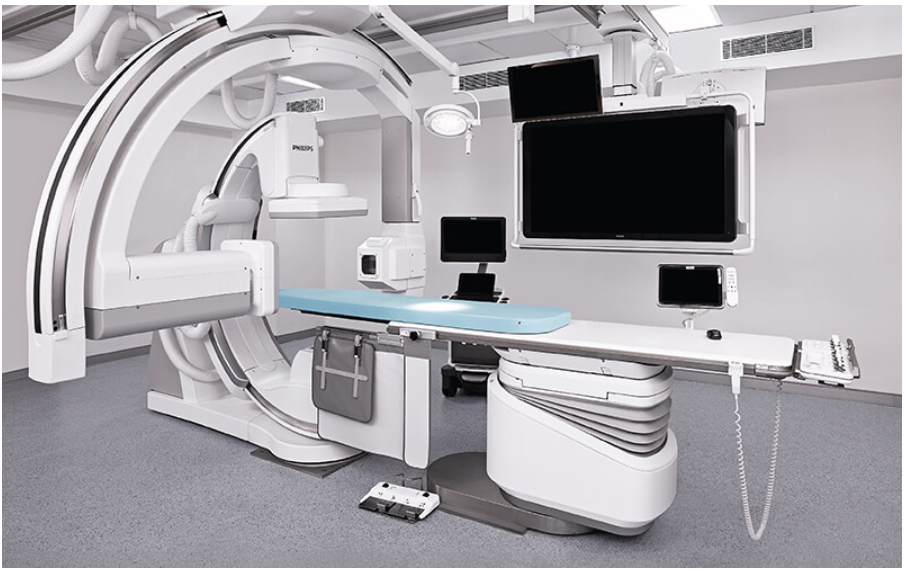
At Trinity Hospital, interventional electrophysiology uses evidence-based protocols and precise mapping techniques. The focus is on accurate identification of abnormal electrical signals, targeted treatment to minimize impact on healthy tissue, and careful post-procedure rhythm monitoring for long-term stability.
Many rhythm conditions can be successfully managed with appropriate antiarrhythmic medications, rate or rhythm control strategies, and ongoing monitoring. This non-invasive approach is preferred when suitable.
Depending on diagnosis, pacemakers or implantable cardioverter defibrillators (ICDs) may be recommended for certain rhythm disorders. These provide continuous rhythm support and protection.
Advanced mapping systems and techniques may be used depending on the specific arrhythmia type. Method selection depends entirely on the type of rhythm disorder, patient age, symptoms, and underlying heart condition.
Recovery after electrophysiology study or intervention is typically straightforward with appropriate monitoring.
Recovery typically includes:
Most patients notice improvement in rhythm symptoms and quality of life after successful treatment. Follow-up care ensures sustained rhythm control.

After electrophysiology treatment, comprehensive follow-up care ensures optimal rhythm control and long-term heart health.
Post-procedure care includes:
Long-term outcomes:
The cardiac team provides ongoing support to maintain optimal heart rhythm and overall cardiac health.
Dr. B. G. Muralidhara is associated with the cardiology services at Trinity Hospital and Heart Foundation. He evaluates patients with heart rhythm disorders and provides comprehensive electrophysiology care.
Trinity Hospital and Heart Foundation, Bangalore
Dr. B. G. Muralidhara has extensive clinical experience of 30+ years in managing heart conditions including complex rhythm disorders.
His clinical work includes diagnostic electrophysiology studies, rhythm management, and long-term cardiac care planning. Patients often consult him for clear explanations, second opinions, and guidance on whether EP study or intervention is necessary or if medical management is sufficient.

Common questions and detailed answers about heart rhythm evaluation and treatment
Yes. It helps identify the cause of abnormal heart rhythms and guides treatment decisions.
No. EPS is primarily a diagnostic test; treatment decisions follow based on the findings.
Yes, some arrhythmias can be corrected long-term, while others require ongoing management.
Certain mild arrhythmias may settle, but evaluation is important to rule out risk.
No, many are benign—but recurrent or severe symptoms need assessment.
No. It often helps avoid unnecessary procedures by guiding medication choices.
Duration varies based on individual heart rhythm patterns and findings.
Yes, whenever appropriate, non-surgical options are considered first.
Suitability depends on overall health and is assessed individually.
Referrals are helpful but not always required; direct consultation is possible.
If you're experiencing heart rhythm symptoms or have been referred for electrophysiology evaluation, consult with our experienced cardiology team at Trinity Hospital, Basavangudi Bengaluru.
+91 8040136999
trinityheartfoundation@gmail.com
Trinity Hospital and Heart Foundation, Basavangudi, Bengaluru, Karnataka
 24 Hour Emergency Aid