

An Implantable Cardioverter Defibrillator (ICD) is recommended for certain heart rhythm conditions where the risk of sudden cardiac arrest is higher. For many patients and families, the suggestion of an ICD can feel overwhelming or frightening at first.
At Trinity Hospital and Heart Foundation, Basavangudi, ICD implantation is approached as a preventive, protective treatment—not as an emergency decision. Under the care of Dr. B.G. Muralidhara, the focus is on helping patients understand why an ICD may be advised, how it helps, and whether it is truly necessary in their specific situation.
Patients from Basavangudi, Jayanagar, JP Nagar, VV Puram, Banashankari, and NR Colony frequently consult for cardiac evaluation.
An ICD implantation involves placing a small electronic device inside the body to continuously monitor heart rhythm. If the heart develops a dangerously fast or irregular rhythm—such as ventricular fibrillation—the device can deliver a controlled electrical therapy to restore a safer rhythm.
Unlike external defibrillators used in emergencies, an ICD works internally and automatically, offering ongoing protection for patients who are at risk of serious rhythm disturbances.
The goal is not to treat symptoms—it is to prevent life-threatening events before they occur.
Key points about ICD implantation:
An ICD is usually considered after careful evaluation, not based on symptoms alone. However, patients who are assessed for this treatment often report:
Recurrent fainting or unexplained loss of consciousness
Palpitations associated with dizziness or breathlessness
History of cardiac arrest or dangerous heart rhythms
Severe weakness or sudden fatigue without clear cause
Known heart muscle weakness with rhythm abnormalities
These signs do not automatically mean ICD implantation is required. A cardiology consultation and rhythm assessment are essential before any decision.
A cardiology consultation and detailed rhythm assessment are essential before any treatment decision.
It is important to remember that symptoms alone do not confirm the need for ICD implantation. Proper evaluation is essential.
Consult a cardiologist if you have experienced unexplained fainting, dangerous rhythm episodes, or have been advised ICD implantation elsewhere and want clarity on whether it is necessary.
Understanding how an ICD works helps patients make informed decisions about this protective device.
Ventricular fibrillation — life-threatening rhythm requiring immediate defibrillation
Ventricular tachycardia — fast dangerous rhythm managed by cardioversion
Heart muscle weakness increasing risk of sudden arrhythmia
Prior cardiac arrest or serious rhythm event increasing recurrence risk
<strong>Cardioversion vs defibrillation:</strong> Cardioversion is usually planned and synchronized, while defibrillation is an immediate response to life-threatening rhythms. An ICD can perform both internally when needed.
ICD implantation is not the first step for most patients. Treatment planning depends on heart function, rhythm findings, and overall health.
In many cases, abnormal heart rhythms can be managed with:
Close follow-up is critical. Some patients remain stable on medical management alone and may never require an ICD. The decision is never rushed.
An ICD is considered when:
The defibrillator procedure is planned, controlled, and performed with detailed pre-procedure evaluation to ensure suitability and safety. This is never an impulsive decision.
At Trinity Hospital, ICD implantation is performed with a patient-specific approach under the guidance of Dr. B.G. Muralidhara.
The procedure focuses on:
The procedure itself:
The aim is long-term rhythm protection while maintaining daily comfort and quality of life.
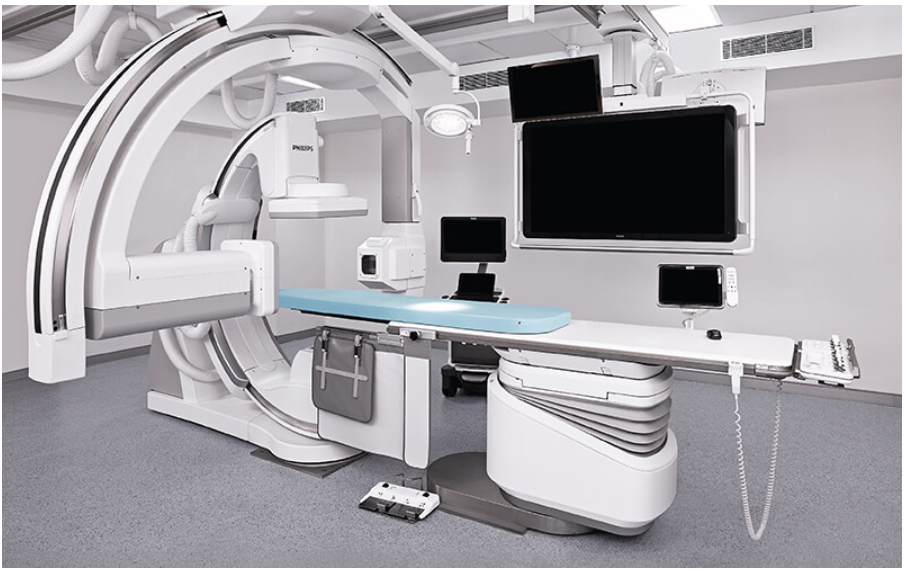
ICD implantation requires a fully equipped electrophysiology and interventional facility with specialized device programming capabilities.
The facility supports:
At Trinity Hospital and Heart Foundation, ICD procedures are performed under controlled conditions with comprehensive pre-procedure evaluation, precise device placement, and structured long-term follow-up to optimise device settings and patient outcomes.
A fully implantable cardioverter defibrillator placed under the skin with leads to the heart. Continuously monitors rhythm and delivers therapy automatically when needed. Device type — single chamber, dual chamber, or subcutaneous — is selected based on individual rhythm findings and heart function.
For patients who require short-term rhythm support while being evaluated for permanent ICD implantation, or while medical management is optimised. External monitoring and support may be used as a bridge.
In selected patients, catheter ablation may reduce or eliminate the source of dangerous rhythms, potentially reducing or removing the need for an ICD. Method depends on rhythm type and underlying heart condition.
When rhythm disturbances are slower rather than dangerously fast, a pacemaker rather than ICD may be more appropriate. Some devices combine pacemaker and ICD functions (CRT-D) for patients with heart failure and rhythm issues.
Recovery after ICD implantation is typically straightforward, as it is a minor interventional procedure.
Immediate recovery:
Return to daily life:
Most patients report that the initial awareness of the device fades over time and does not interfere with daily life.

If you or a family member has been advised ICD implantation or is experiencing concerning rhythm-related symptoms, a structured evaluation can help clarify options.
What the consultation includes:
Important reminders:
Dr. B. G. Muralidhara evaluates patients with high-risk heart rhythm conditions and determines whether ICD implantation, medication management, or catheter-based therapy is the most appropriate and necessary approach.
Trinity Hospital and Heart Foundation, Bangalore
Dr. B. G. Muralidhara has extensive clinical experience of 30+ years in managing heart conditions including complex rhythm disorders and device-based therapies.
His clinical work includes diagnostic electrophysiology studies, ICD implantation evaluation, and long-term cardiac care planning. Patients often consult him for clear explanations, second opinions, and guidance on whether ICD implantation is truly necessary or if medical management is sufficient.

Common questions and detailed answers about ICD devices, defibrillation, and recovery
An ICD continuously monitors the heart rhythm. If it detects a dangerous rhythm, it delivers a controlled electrical therapy to restore a safer heartbeat automatically.
No. Cardioversion is usually planned and synchronized, while defibrillation is an immediate response to life-threatening rhythms. An ICD can perform both internally when needed.
Most patients feel mild soreness near the device site (usually upper chest). Pain is typically temporary and manageable with medication.
Hospital stay is often short. Normal daily activities can resume gradually, with specific guidance on arm movement and follow-up visits.
An ICD is primarily preventive. It acts as continuous protection rather than a device used only during visible emergencies.
It is considered a minor interventional procedure, not open-heart surgery, and is performed under controlled conditions.
No. The device is programmed to deliver therapy only when medically necessary. Many patients never experience a shock.
Costs vary depending on device type and patient condition. A detailed estimate is provided after evaluation and device selection at Trinity Hospital.
You may be aware of its presence initially, but most patients adapt within weeks and do not feel it during daily activities.
Not always. The need depends on cause, recurrence risk, heart function, and response to other treatments. A cardiologist's evaluation is essential.
If you or a family member has been advised ICD implantation or is experiencing rhythm-related symptoms, consult with Dr. B.G. Muralidhara at Trinity Hospital and Heart Foundation, Basavangudi Bengaluru for a structured, patient-centred evaluation.
+91 8040136999
trinityheartfoundation@gmail.com
Trinity Hospital and Heart Foundation, Basavangudi, Bengaluru, Karnataka
 24 Hour Emergency Aid