

Heart conditions often bring fear, uncertainty, and many unanswered questions—especially when surgery is mentioned. Minimally Invasive Cardiac Surgery (MICS) exists to address specific heart problems using advanced techniques that reduce physical trauma compared to traditional open heart surgery.
At Trinity Hospital and Heart Foundation, Basavangudi, this approach is offered after careful evaluation, with the goal of treating the heart condition effectively while supporting faster recovery, reduced discomfort, and better overall patient experience—where medically appropriate.
This treatment is not for everyone. It is considered only when clinical findings, symptoms, and patient health allow for a minimally invasive approach.
Patients from Basavangudi, Jayanagar, JP Nagar, VV Puram, Banashankari, and NR Colony frequently consult for cardiac evaluation.
Minimally Invasive Cardiac Surgery—often referred to as keyhole heart surgery—is a way of performing certain heart procedures through smaller incisions rather than opening the entire chest.
Instead of a long central chest cut (as in open heart surgery), surgeons may access the heart through the side of the chest or between the ribs. In selected cases, robotic-assisted techniques or minimally invasive coronary bypass surgery may be used for enhanced precision.
The medical intent is simple:
The focus is always on clinical suitability, not on technique alone. Minimally invasive does not mean minimal seriousness—it is still major heart surgery and requires expert planning.
Heart conditions present differently in each person. You may be advised to consult a cardiologist if you experience:
Chest pain or pressure, especially during exertion
Shortness of breath while walking or climbing stairs
Recurrent fatigue without clear cause
Pain radiating to the arm, jaw, or back
Palpitations or irregular heartbeat
Symptoms related to angina attacks — chest tightness or heaviness during activity
Chest pain does not always mean a heart attack, and not all heart conditions require surgery. A proper medical evaluation is essential.
A proper medical evaluation is essential to understand why chest pain occurs and what treatment is appropriate.
It is important to remember that symptoms alone do not confirm the need for surgery. Comprehensive cardiac evaluation is essential.
Consult a cardiologist if you experience persistent chest pain, breathlessness, or angina symptoms, or if you have been advised cardiac surgery elsewhere and want a clear, unbiased explanation of your options.
Not every heart condition requires surgery. Understanding the progression helps patients and families make informed decisions.
Angina attacks — episodes of chest discomfort caused by temporary reduced blood supply to the heart muscle
Coronary artery disease — blockages restricting blood flow to the heart muscle
Valve disease or structural heart problems requiring surgical correction
Symptoms persisting despite medication — indicating possible need for intervention
<strong>Is angina serious?</strong> Angina indicates reduced blood flow to the heart. While not always immediately dangerous, it requires medical evaluation and ongoing management. Surgical evaluation is considered when medical management is insufficient.
Heart care always begins with understanding the condition — not rushing into procedures.
For many patients, heart conditions can be managed effectively through:
This approach is often suitable in early or stable stages of coronary artery disease or angina, depending on severity and response to treatment. Many patients are managed without surgery for many years with appropriate medical care.
Surgery or intervention is considered when:
The choice between open heart surgery, minimally invasive heart surgery, or interventional procedures depends on medical findings, anatomy, and patient safety. The difference between open heart surgery and closed heart surgery lies mainly in chest access and surgical exposure—the best method is determined by medical necessity, not preference alone.
Under the care of Dr. B.G. Muralidhara, MICS is offered to suitable patients after comprehensive cardiac evaluation.
Why MICS may be chosen in appropriate cases:
How the procedure differs from open heart surgery:
Safety and patient selection remain the priority. MICS is still major heart surgery and requires expert planning and post-operative care.
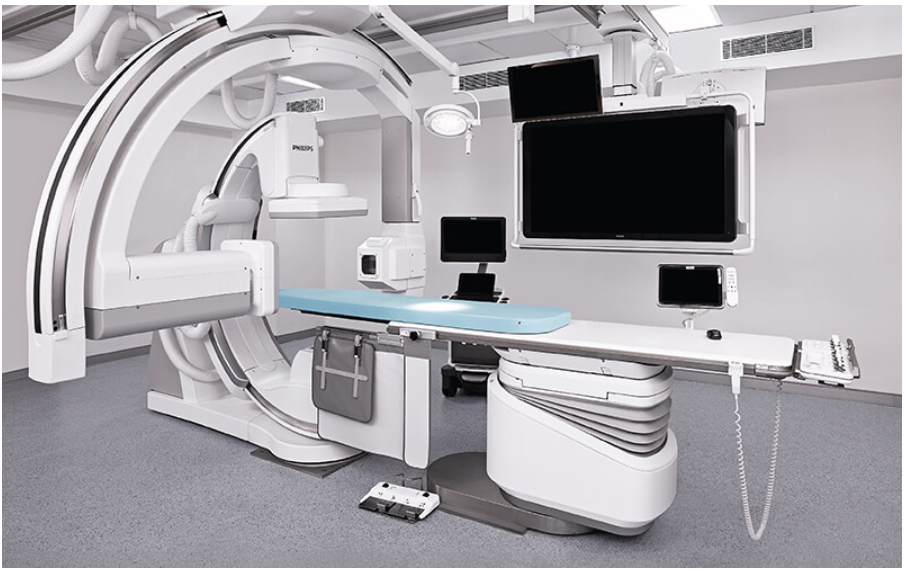
Minimally invasive cardiac surgery requires a specialised surgical environment with advanced imaging, instrumentation, and post-operative care capabilities.
Facility includes:
EMI & Financial Support Options:
Mediclaim & Insurance Support:
Keyhole heart surgery using smaller incisions through the side of the chest or between ribs. Suitable for certain bypass, valve, and structural heart procedures in appropriately selected patients. Robotic-assisted approaches available in selected cases for enhanced precision and outcomes.
For complex conditions, multiple blockages, or cases where minimally invasive access is not clinically appropriate. Full chest access allows broader surgical exposure. Determined by medical necessity and patient anatomy — not by default.
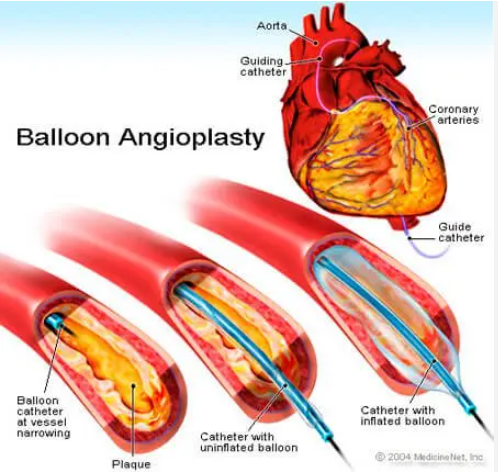
Angioplasty and stenting for coronary artery blockages that meet interventional criteria. Catheter-based approach avoiding surgery entirely when clinically appropriate. Decided after imaging and functional assessment.
Combining surgical and catheter-based methods for complex or high-risk patients where a single approach alone is insufficient. Method selection is based entirely on clinical findings, anatomy, and patient safety — not convenience.
Recovery after MICS varies by procedure and patient health, but is generally structured to support earlier return to daily activities compared to traditional open heart surgery.
Post-procedure recovery includes:
Longer-term care:
Recovery depends on overall health, the specific procedure performed, and adherence to the post-operative care plan.

If you or a loved one is experiencing heart-related symptoms or has been advised further evaluation, a consultation with Dr. B.G. Muralidhara at Trinity Hospital and Heart Foundation, Basavangudi can help clarify diagnosis, treatment options, and next steps—without pressure or assumptions.
The consultation focuses on:
Financial support available:
Heart care decisions should always be informed, supported, and patient-centric.
Dr. B. G. Muralidhara evaluates patients requiring cardiac surgical intervention and determines whether minimally invasive cardiac surgery, conventional open heart surgery, or interventional cardiology is the most appropriate and safe approach.
Trinity Hospital and Heart Foundation, Bangalore
Dr. B. G. Muralidhara has extensive clinical experience of 30+ years in managing heart conditions including coronary artery disease, valve disorders, and complex structural heart conditions requiring surgical evaluation.
His clinical work includes diagnostic angiography, coordination of cardiac surgical pathways, and long-term cardiac care planning. Patients often consult him for clear explanations, second opinions, and guidance on whether surgery is necessary or if medical management is sufficient.

Common questions and detailed answers about MICS, keyhole heart surgery, angina, and cardiac treatment options
When performed in appropriately selected patients by experienced cardiac teams, MICS is considered a safe and established approach. Patient selection and surgical planning are critical to outcomes.
Angina indicates reduced blood flow to the heart. While not always immediately dangerous, it requires medical evaluation and ongoing management to prevent worsening.
Angina attacks are episodes of chest discomfort caused by temporary reduced blood supply to the heart muscle, typically triggered by exertion or stress.
No. Chest pain can have many causes. Surgery is only considered after thorough diagnosis, imaging, and evaluation of all treatment options.
Patients with complex heart anatomy, multiple blockages, or certain medical conditions may require conventional open heart surgery or other approaches. Suitability is determined by detailed clinical assessment.
Recovery varies, but many patients resume routine activities earlier compared to traditional open heart surgery. The specific timeline depends on the procedure performed and individual health.
Robotic bypass surgery is a type of minimally invasive approach used in selected cases. Not all MICS procedures are robotic — the technique depends on the specific procedure and patient anatomy.
Yes. Surgery treats structural issues, but medications often remain part of long-term heart care for blood pressure, cholesterol, and heart protection.
The decision is based on imaging results, heart function, the specific condition being treated, overall health, and procedural safety. Medical necessity guides the choice.
No. Only specific heart conditions and anatomical situations are suitable for minimally invasive approaches. A detailed evaluation determines what is medically appropriate.
If you or a loved one is experiencing heart-related symptoms or has been advised cardiac surgery, consult with Dr. B.G. Muralidhara at Trinity Hospital and Heart Foundation, Basavangudi Bengaluru for a clear, informed, and patient-centred evaluation.
+91 8040136999
trinityheartfoundation@gmail.com
Trinity Hospital and Heart Foundation, Basavangudi, Bengaluru, Karnataka
 24 Hour Emergency Aid