

Heart rhythm problems can be confusing and worrying—especially when symptoms come and go without warning. Radiofrequency Ablation (RFA) is a well-established cardiology treatment used to manage certain abnormal heart rhythms when medications alone are not enough or cause unwanted side effects.
At Trinity Hospital and Heart Foundation, Basavangudi, RFA is approached as a carefully evaluated medical solution, not a default procedure. Under the care of Dr. B.G. Muralidhara, patients are guided through understanding their condition, available options, and whether an interventional treatment is truly necessary for their long-term heart health.
Patients from Basavangudi, Jayanagar, JP Nagar, VV Puram, Banashankari, and NR Colony frequently consult for cardiac evaluation.
Radiofrequency Ablation—often referred to as cardiac ablation or RF ablation of the heart—is a cardiology treatment designed to correct abnormal electrical signals in the heart that cause irregular heartbeats (arrhythmias).
The treatment aims to:
It does not involve open-heart surgery and is used selectively, based on clear diagnostic findings and patient-specific factors.
RFA is commonly used for conditions such as atrial fibrillation catheter ablation and other rhythm disorders, when clinically appropriate.
Symptoms that sometimes lead doctors to evaluate patients for radiofrequency ablation in cardiology include:
Recurrent or persistent palpitations
Irregular or rapid heartbeat
Shortness of breath during mild activity
Dizziness or light-headedness
Fatigue not explained by routine causes
Episodes of fainting in some patients
Having one or more of these signs does not automatically mean RFA is required. A cardiologist's evaluation is essential to determine the cause and appropriate treatment.
A cardiologist's evaluation is essential to determine the cause and the appropriate treatment approach.
It is important to remember that symptoms alone do not confirm the need for RFA. Proper rhythm evaluation and diagnosis is essential.
Consult a cardiologist if you experience persistent palpitations, irregular heartbeat, dizziness, or symptoms that continue despite medication. Early evaluation helps avoid unnecessary anxiety and delay.
Arrhythmias occur when abnormal electrical signals disrupt the heart's normal rhythm. Common causes and contributing factors include:
Abnormal electrical pathways present from birth or developed over time
Atrial fibrillation — most common arrhythmia requiring catheter ablation
Structural heart changes increasing electrical instability
Triggers such as stress, caffeine, alcohol, and poor sleep
Understanding the specific type of arrhythmia is essential before deciding whether RFA, medication, or another approach is most appropriate.
Management of heart rhythm disorders usually follows a step-by-step approach, prioritising safety and long-term benefit.
For many patients, symptoms can be managed with:
Medication may be sufficient in early or less frequent rhythm disturbances. Ongoing assessment helps determine if symptoms remain controlled. Some patients remain on medical management alone and never require RFA.
When symptoms persist despite optimal medical therapy, or when medication causes side effects, interventional options like RFA treatment may be considered.
These decisions are based on:
The goal is symptom control and improved quality of life—not urgency or unnecessary intervention.
At Trinity Hospital and Heart Foundation, radiofrequency ablation of the heart is performed using a targeted, precision-guided approach.
The RFA procedure:
This approach allows targeted treatment of abnormal electrical pathways with high precision guided by advanced cardiac mapping, and shorter recovery compared to open procedures.
It is commonly used for conditions such as atrial fibrillation catheter ablation and other rhythm disorders when clinically appropriate.
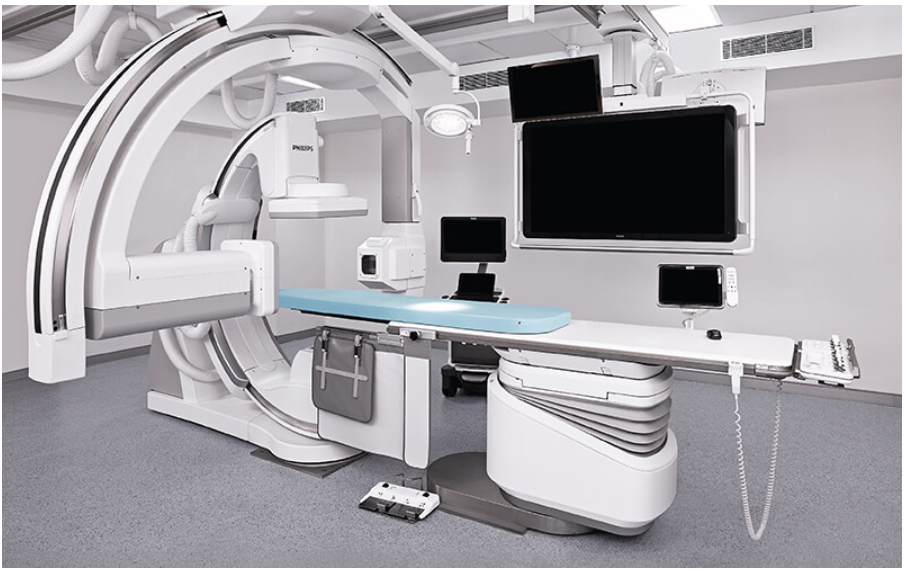
Radiofrequency ablation procedures require a specialised electrophysiology laboratory with advanced cardiac mapping capabilities.
The facility includes:
At Trinity Hospital and Heart Foundation, RFA procedures are performed with comprehensive pre-procedure rhythm evaluation, precise ablation delivery, and structured post-procedure monitoring to ensure patient safety and sustained rhythm improvement.
Targeted treatment of abnormal electrical pathways using radiofrequency energy delivered via catheter. Allows high-precision mapping and ablation, shorter recovery than open procedures, and is commonly used for atrial fibrillation catheter ablation and other rhythm disorders when clinically appropriate.
An alternative ablation technique using controlled freezing to eliminate abnormal electrical pathways. May be preferred in certain arrhythmia types or anatomical locations. Method selection depends on rhythm diagnosis and patient-specific factors.
A planned, synchronized electrical therapy used to restore normal rhythm in selected patients. Often used for atrial fibrillation management when immediate rhythm restoration is needed or when ablation is being planned.
In select cases where ablation is not sufficient or appropriate, device therapies such as pacemakers or ICDs may be recommended. Method selection depends entirely on individual heart rhythm patterns, medical history, and diagnostic findings.
Recovery after RFA is typically faster than open procedures. Most patients resume routine activities within a few days based on medical advice.
Radiofrequency ablation side effects — what patients should know:
Like any medical procedure, radiofrequency ablation side effects can occur, though serious complications are uncommon when performed in appropriate settings.
Your cardiologist will:

If you or a family member is experiencing persistent heart rhythm symptoms, a structured cardiology evaluation can help clarify whether radiofrequency ablation in cardiology is appropriate—or whether non-interventional care is sufficient.
What the consultation includes:
At Trinity Hospital and Heart Foundation, the focus remains on clarity, safety, and individualised decision-making, supporting patients at every step of their care journey.
Dr. B. G. Muralidhara evaluates patients with heart rhythm disorders and determines whether radiofrequency ablation, medication management, or another approach is the most appropriate treatment for each individual.
Trinity Hospital and Heart Foundation, Bangalore
Dr. B. G. Muralidhara has extensive clinical experience of 30+ years in managing heart conditions including complex arrhythmias and rhythm-based interventions.
His clinical work includes diagnostic electrophysiology, radiofrequency ablation evaluation, and long-term cardiac care planning. Patients often consult him for clear explanations, second opinions, and guidance on whether RFA is necessary or if medical management is sufficient.

Common questions and detailed answers about RFA, cardiac ablation, and heart rhythm treatment
RFA is the medical abbreviation for Radiofrequency Ablation, a treatment used to manage abnormal heart rhythms.
No. It is a minimally invasive cardiac procedure, not open-heart surgery.
Yes. Atrial fibrillation catheter ablation is one of the common indications, depending on patient suitability.
Most patients resume routine activities within a few days, based on medical advice.
Some patients may need medications temporarily or long-term. This varies individually.
Age alone does not decide suitability. Overall health and heart condition are more important factors.
In some cases, symptoms may recur, which is why follow-up and monitoring are essential.
RFA aims to control symptoms and improve rhythm stability, not guarantee permanent cure.
Decision-making is based on symptoms, test results, response to medication, and patient preference.
A qualified cardiologist such as Dr. B.G. Muralidhara at Trinity Hospital and Heart Foundation can guide evaluation and treatment planning.
If you are experiencing persistent heart rhythm symptoms or have been advised radiofrequency ablation, consult with Dr. B.G. Muralidhara at Trinity Hospital and Heart Foundation, Basavangudi Bengaluru for a structured, patient-centred evaluation.
+91 8040136999
trinityheartfoundation@gmail.com
Trinity Hospital and Heart Foundation, Basavangudi, Bengaluru, Karnataka
 24 Hour Emergency Aid