

The Transcatheter Aortic Valve Replacement (TAVR heart procedure) is an advanced, minimally invasive option for patients with narrowed aortic heart valves, a condition known as aortic stenosis.
At Trinity Hospital, Basavangudi Bangalore, this treatment is offered to patients who may not be suitable for open-heart surgery or who require a less invasive approach due to age, health conditions, or recovery concerns.
Many patients experiencing sudden chest pain, breathlessness, or unexplained fatigue often feel anxious and unsure about the cause. TAVR exists to restore healthy blood flow across the heart valve while reducing physical stress on the body.
Patients from Basavangudi, Jayanagar, JP Nagar, VV Puram, Banashankari, and NR Colony frequently visit for cardiac evaluation.
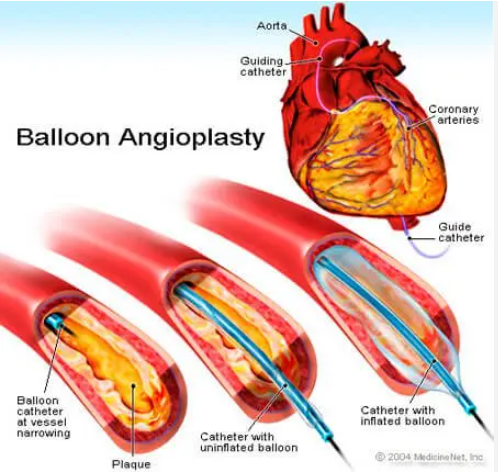
The TAVR procedure is designed to replace a narrowed or damaged aortic valve without opening the chest. Instead of removing the old valve surgically, a new valve is placed inside it using a catheter-based approach.
The goal of TAVR surgery is to:
This treatment focuses on improving heart function while minimizing hospital stay and recovery time, especially in elderly or high-risk patients.
Aortic valve problems can progress slowly, and symptoms may vary from person to person. Some common warning signs include:
Chest pain or pressure, sometimes mistaken for chest pain gas
Shortness of breath during walking or climbing stairs
Fatigue or weakness without clear reason
Dizziness or fainting episodes
Heart murmur detected during examination (aortic stenosis murmur)
Sudden worsening of symptoms or sudden chest pain
These symptoms can also be related to other conditions. Proper evaluation by a heart specialist is essential before linking them to aortic valve disease.
Professional cardiac evaluation is necessary for proper diagnosis.
It is important to remember that symptoms alone do not confirm the need for TAVR. Proper diagnosis is essential.
You should consult a heart specialist if you experience persistent breathlessness, chest discomfort, dizziness, fainting episodes, or unexplained fatigue affecting daily activities.
Aortic stenosis occurs when the aortic valve narrows, restricting blood flow from the heart to the rest of the body.
Age-related calcification and valve degeneration
Bicuspid aortic valve (congenital condition)
Rheumatic fever or valve infections
Progressive valve narrowing over time
Aortic stenosis severity is determined through echocardiography and clinical assessment to guide treatment decisions, including considerations for bicuspid aortic valve life expectancy.
Treatment for aortic stenosis depends on symptom severity, valve condition, age, and overall health.
In early or mild cases, treatment may include:
Medication does not cure valve narrowing but may help control symptoms under medical supervision.
When symptoms progress or valve narrowing becomes severe (aortic stenosis severity), interventional treatment may be recommended. Options are considered only after careful assessment and shared decision-making between doctor, patient, and family.
Treatment options include:
At Trinity Hospital, the TAVR heart procedure is considered for suitable patients because it:
The procedure involves:
Dr. B. G. Muralidhara evaluates each patient individually to determine whether TAVR is medically appropriate based on valve anatomy, including conditions such as bicuspid aortic valve life expectancy considerations.
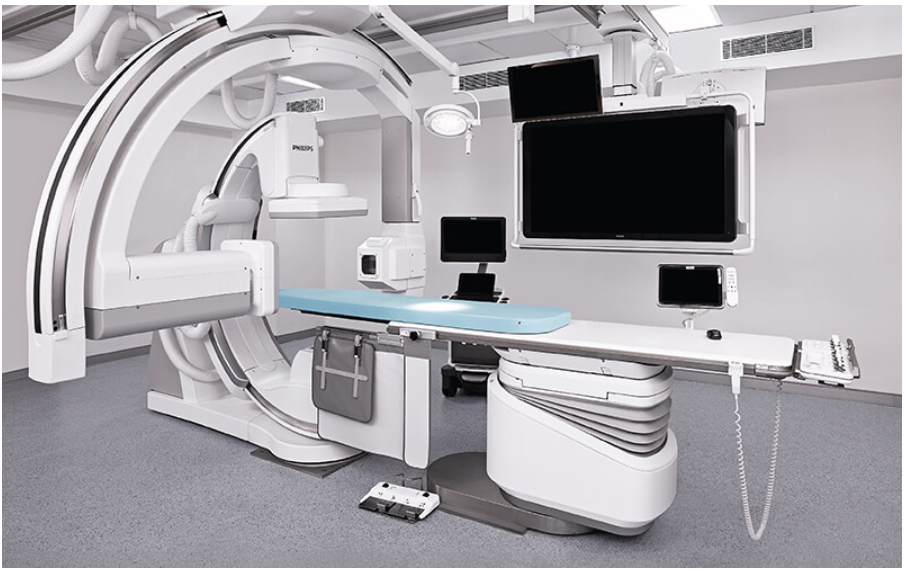
TAVR procedures are performed in a specialized hybrid cardiac catheterization laboratory equipped with advanced imaging and interventional capabilities.
The facility includes:
At Trinity Hospital and Heart Foundation, comprehensive evaluation, precision TAVR technique, and post-procedure care ensure patient safety and optimal outcomes for aortic valve replacement.
At Trinity Hospital, TAVR heart procedure is considered for suitable patients because it avoids open-heart surgery, reduces physical stress on elderly or high-risk patients, allows faster mobilization and recovery in many cases, and is performed with detailed imaging and precision planning.
Traditional approach involving opening the chest to replace the aortic valve. May be recommended for younger patients, those with certain valve anatomies, or when other cardiac procedures are needed simultaneously.
A catheter-based procedure to temporarily widen the valve opening. May be used as a bridge to definitive treatment or in very specific clinical situations. Not a permanent solution for most patients.
For patients with mild to moderate stenosis or those not yet candidates for intervention, regular monitoring with medications to manage symptoms and careful follow-up is the appropriate approach.
Many patients recover faster after TAVR compared to traditional open-heart surgery, but recovery varies individually.
Recovery typically includes:
The minimally invasive nature of TAVR allows many elderly or high-risk patients to recover more comfortably than with traditional surgery.

After TAVR surgery, regular cardiac follow-up is essential for valve monitoring and long-term heart health.
Post-procedure care includes:
The cardiac team provides ongoing support to ensure patients maintain optimal heart health and valve function after TAVR.
Dr. B. G. Muralidhara is associated with the cardiology services at Trinity Hospital and Heart Foundation. He evaluates patients for TAVR suitability based on valve anatomy, overall health, and individual clinical factors.
Trinity Hospital and Heart Foundation, Bangalore
Dr. B. G. Muralidhara has extensive clinical experience of 30+ years in managing heart conditions and has been involved in the evaluation and treatment of a large number of patients with various cardiac disorders including aortic valve disease.
Patients often consult him for clear explanations, second opinions, and guidance on whether TAVR, surgical valve replacement, or medical management is the most appropriate approach.

The cost of TAVR surgery can vary depending on:
A transparent cost discussion is conducted after evaluation, ensuring families understand both medical and financial aspects before proceeding.
EMI & Payment Support Options:
Undergoing a heart procedure can raise understandable financial concerns. At Trinity Hospital, Basavangudi Bangalore, payment planning is discussed openly so families can make informed decisions without pressure.
Available Financial Assistance:
Financial counseling is offered after medical evaluation, ensuring treatment decisions are never influenced by payment options. EMI discussions are separate from clinical recommendations.
Common questions and detailed answers about transcatheter aortic valve replacement
TAVR is minimally invasive, while open surgery involves opening the chest and longer recovery.
It is often considered for elderly or high-risk patients after thorough evaluation.
Many patients recover faster than traditional surgery, but recovery varies individually.
No. Sudden chest pain can have multiple causes and requires proper diagnosis.
The aortic stenosis ICD code is used for medical classification and documentation.
Not always. Bicuspid aortic valve life expectancy depends on severity and monitoring.
Medicines help manage symptoms but cannot reverse valve narrowing.
Through echocardiography and clinical assessment.
Yes, regular cardiac follow-up is essential for valve monitoring.
If you experience persistent breathlessness, chest discomfort, or unexplained fatigue.
If you're experiencing symptoms of aortic stenosis or have been diagnosed with aortic valve disease, consult with our experienced cardiac team at Trinity Hospital, Basavangudi Bengaluru.
+91 8040136999
trinityheartfoundation@gmail.com
Trinity Hospital and Heart Foundation, Basavangudi, Bengaluru, Karnataka
 24 Hour Emergency Aid